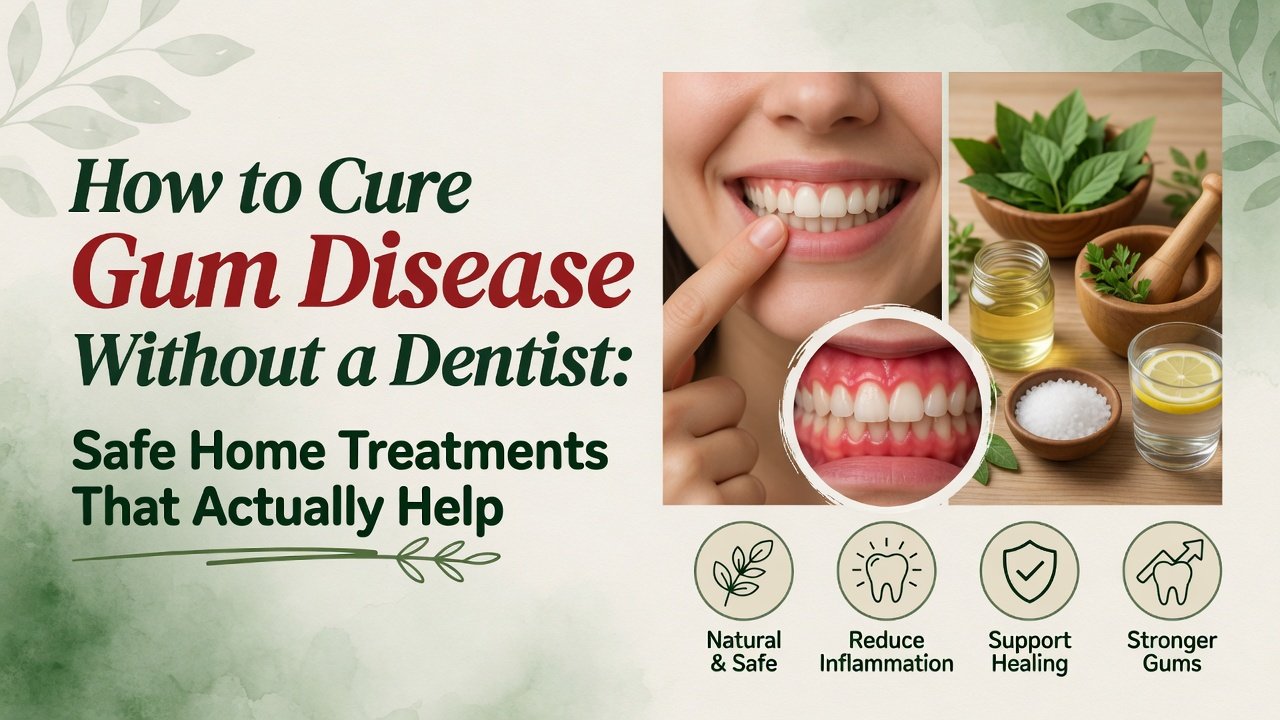
Gum disease is one of the most common oral health problems worldwide, yet many people ignore the early warning signs until the condition becomes painful or starts affecting their teeth. If your gums bleed while brushing, appear swollen, or feel tender, you may be wondering whether you can treat the problem at home without visiting a dentist.
The answer depends on the stage of the disease. Early gum disease, known as gingivitis, can often be reversed with consistent oral hygiene and healthy lifestyle changes. However, more advanced gum disease requires professional treatment because it damages the tissues and bone that support your teeth.
This guide explains what you can safely do at home to improve your gum health, which remedies are supported by evidence, and when it’s time to seek professional care. By following the right routine every day, many people can reduce inflammation, improve their gum health, and prevent the condition from getting worse.
Can Gum Disease Really Be Cured Without a Dentist?
Many online articles promise quick home cures, but the truth is more nuanced. Whether gum disease can be treated without a dentist depends on how severe it is.
The Difference Between Reversing Gingivitis and Treating Periodontal Disease
There are two main stages of gum disease.
| Feature | Gingivitis | Periodontitis |
|---|---|---|
| Gum inflammation | Yes | Yes |
| Bleeding gums | Common | Common |
| Bone loss | No | Yes |
| Tooth mobility | Rare | Possible |
| Reversible at home | Often yes | No |
| Professional treatment needed | Sometimes | Yes |
Gingivitis is the earliest stage. At this point, plaque has irritated your gums, but the supporting bone and tissues are still healthy. With proper brushing, flossing, and healthy habits, the gums can usually return to normal.
Periodontitis develops when plaque and bacteria remain on the teeth for a long time. The infection spreads below the gumline, damaging the ligaments and bone that hold the teeth in place. Once this damage occurs, home care alone cannot repair it.
What Home Care Can and Cannot Do
A consistent home routine can:
- Reduce plaque buildup
- Decrease gum inflammation
- Control harmful bacteria
- Stop gingivitis from progressing
- Improve bad breath
- Support healthier gums
However, home care cannot:
- Remove hardened tartar beneath the gums
- Restore lost bone
- Repair deep periodontal pockets
- Reverse advanced gum disease
- Replace professional deep cleaning
Understanding these limits helps you choose safe and realistic treatment options.
When Home Treatment Is Enough—and When It Isn’t
Home treatment may be effective if you notice:
- Mild bleeding while brushing
- Slight redness
- Puffy gums
- Persistent bad breath
- Minor tenderness
Professional dental care is important if you experience:
- Loose teeth
- Gum recession
- Pus around the gums
- Severe swelling
- Difficulty chewing
- Persistent pain
- Teeth shifting position
Ignoring these symptoms allows the infection to progress and increases the risk of tooth loss.
What Causes Gum Disease?
Understanding the cause of gum disease makes prevention much easier.
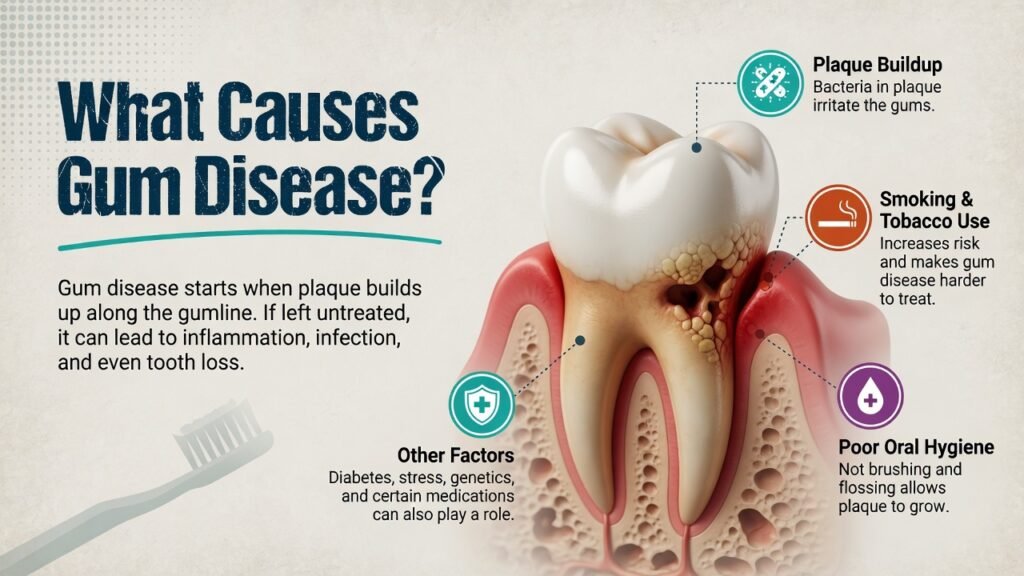
The primary cause is plaque—a sticky layer of bacteria that forms on your teeth throughout the day. When plaque isn’t removed through brushing and flossing, it hardens into tartar, which cannot be removed at home.
The bacteria release toxins that irritate the gums, causing inflammation.
Several factors can make this process worse.
Plaque and Tartar Buildup
Plaque begins forming only hours after brushing.
Without daily cleaning, it:
- Irritates gum tissue
- Causes inflammation
- Leads to bleeding
- Hardens into tartar
- Creates an ideal environment for harmful bacteria
Because tartar is rough, even more plaque sticks to it, creating a cycle that becomes increasingly difficult to manage.
Poor Oral Hygiene
Skipping brushing or flossing allows bacteria to multiply.
Common habits that increase the risk include:
- Brushing only once daily
- Brushing too quickly
- Never flossing
- Using an old toothbrush
- Ignoring the gumline during brushing
Even people who brush regularly may develop gum disease if they don’t clean between their teeth.
Smoking and Tobacco Use
Smoking reduces blood flow to the gums, making it harder for the body to fight infection.
Tobacco users often experience:
- Slower healing
- Increased plaque
- Greater bone loss
- Higher risk of tooth loss
- Reduced effectiveness of treatment
Smokers may also notice less bleeding despite having severe gum disease because nicotine narrows blood vessels.
Diabetes and Other Health Conditions
Several medical conditions increase susceptibility to gum disease.
These include:
- Diabetes
- Autoimmune disorders
- Dry mouth
- Weakened immune system
- Certain blood disorders
High blood sugar allows bacteria to thrive while slowing healing.
Hormonal Changes
Hormonal fluctuations can make gums more sensitive.
This commonly occurs during:
- Pregnancy
- Puberty
- Menopause
- Menstrual cycles
Good oral hygiene becomes especially important during these times.
Vitamin Deficiencies and Nutrition
Your gums need essential nutrients to stay healthy.
Low intake of vitamins and minerals may contribute to:
- Bleeding gums
- Slow healing
- Increased inflammation
- Weaker immune response
Vitamin C deficiency, in particular, has long been associated with unhealthy gums.
Signs You May Have Gum Disease
Early detection gives you the best chance of reversing gum disease before permanent damage occurs.
Early Symptoms (Gingivitis)
Watch for these common signs:
- Red gums
- Swollen gums
- Bleeding after brushing
- Bleeding while flossing
- Mild tenderness
- Persistent bad breath
- Soft gums
These symptoms usually develop gradually.
Many people ignore occasional bleeding, assuming it’s normal. Healthy gums generally should not bleed during brushing or flossing.
Symptoms of Advanced Gum Disease
As the disease progresses, symptoms become more serious.
These may include:
- Gum recession
- Teeth appearing longer
- Loose teeth
- Pus near the gums
- Pain while chewing
- Persistent bad breath
- Deep pockets between teeth and gums
- Changes in bite alignment
At this stage, professional treatment becomes necessary.
Warning Signs You Should Never Ignore
Seek prompt dental care if you notice:
- Teeth moving
- Severe swelling
- Fever with gum pain
- Facial swelling
- Pus discharge
- Continuous bleeding
- Difficulty eating
These symptoms may indicate a serious infection.
Gum Disease Symptom Checklist
Use this checklist to evaluate your symptoms.
| Symptom | Possible Early Sign | Advanced Sign |
|---|---|---|
| Bleeding gums | ✓ | ✓ |
| Red gums | ✓ | ✓ |
| Swollen gums | ✓ | ✓ |
| Bad breath | ✓ | ✓ |
| Gum recession | ✓ | |
| Loose teeth | ✓ | |
| Pus | ✓ | |
| Pain while chewing | ✓ |
Step-by-Step Home Routine to Improve Gum Health
Consistency matters far more than using expensive products.
Following a simple daily routine removes plaque before it causes inflammation.
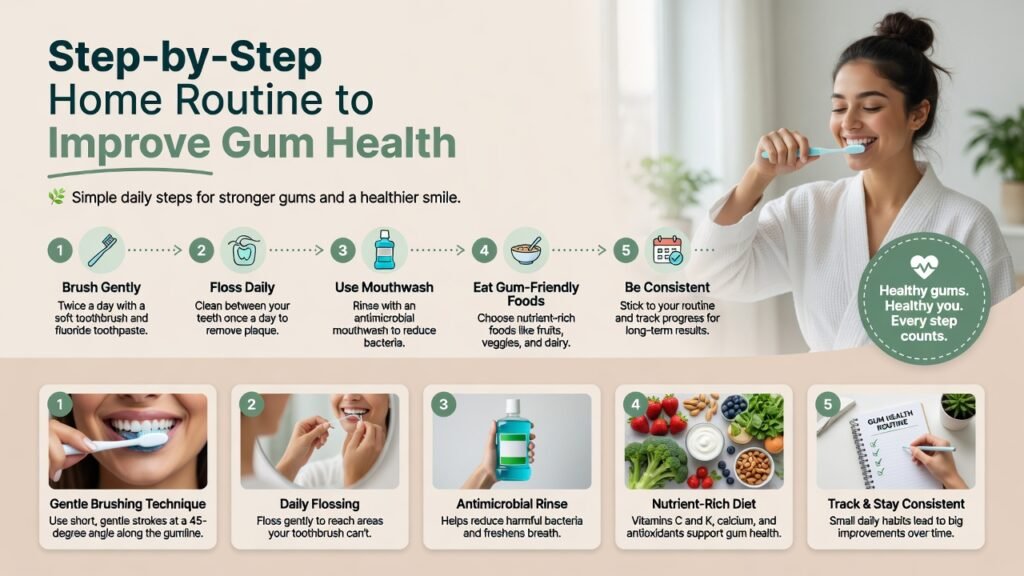
Brush Correctly Twice Daily
Brush for at least two minutes every morning and night.
Choose a soft-bristled toothbrush and fluoride toothpaste.
Hold the brush at approximately a 45-degree angle toward the gumline and use gentle circular motions.
Avoid scrubbing aggressively, which can damage both gums and tooth enamel.
Floss Every Day
Flossing removes plaque between teeth where toothbrushes cannot reach.
When flossing:
- Use a clean section for each tooth.
- Curve the floss around each tooth.
- Slide gently below the gumline.
- Avoid snapping the floss into the gums.
Daily flossing is one of the most effective ways to reduce gum inflammation.
Clean the Tongue
The tongue can harbor millions of bacteria.
Cleaning it daily helps:
- Reduce bad breath
- Lower bacterial levels
- Improve oral hygiene
- Support healthier gums
A tongue scraper often removes debris more effectively than brushing alone.
Use an Antibacterial Mouthwash
An antiseptic mouthwash can reduce bacteria after brushing and flossing.
Choose products designed to:
- Control plaque
- Reduce gingivitis
- Freshen breath
- Support gum health
Follow the instructions carefully and avoid eating or drinking immediately afterward.
Stay Consistent With Oral Hygiene
Healthy gums require long-term consistency.
Missing a day occasionally isn’t usually harmful, but repeatedly neglecting oral care allows plaque to accumulate quickly.
Creating a daily routine makes healthy habits automatic.
Daily Gum Health Routine
- Brush for two minutes after waking.
- Clean your tongue.
- Floss thoroughly.
- Rinse with antibacterial mouthwash.
- Drink water throughout the day.
- Brush again before bed.
- Replace your toothbrush every three to four months.
Following these simple steps consistently gives your gums the best opportunity to recover from early inflammation.
Natural Remedies That May Help Reduce Gum Inflammation
Home remedies should support—not replace—good oral hygiene.
Some natural approaches have shown promise in reducing inflammation, while others have limited scientific evidence.
Warm Salt Water Rinse
Salt water is one of the oldest home remedies for irritated gums.
It may help:
- Reduce swelling
- Soothe irritated tissue
- Wash away debris
- Create a cleaner environment for healing
Mix about half a teaspoon of salt into a glass of warm water and rinse gently for 30 seconds.
Avoid swallowing the solution.
Oil Pulling
Oil pulling involves swishing oil, commonly coconut oil, around the mouth for several minutes.
Some small studies suggest it may:
- Reduce plaque
- Improve bad breath
- Lower bacterial counts
However, oil pulling should never replace brushing and flossing.
Aloe Vera Gel
Pure aloe vera has natural anti-inflammatory properties.
Some research suggests it may help soothe inflamed gums when applied according to product instructions.
Only use products specifically formulated for oral use.
Green Tea
Green tea contains antioxidants called catechins that may help reduce inflammation and support gum health.
Regular consumption without added sugar may provide additional oral health benefits.
Turmeric
Turmeric contains curcumin, a compound known for its anti-inflammatory properties.
Some oral care products include turmeric as an ingredient, although research is still ongoing regarding its long-term effectiveness for gum disease.
Hydrogen Peroxide Rinse (Safe Use and Precautions)
Hydrogen peroxide can reduce bacteria when diluted correctly.
However, improper use may irritate the gums.
Keep these precautions in mind:
- Never use concentrated hydrogen peroxide directly.
- Follow product instructions carefully.
- Do not swallow the rinse.
- Avoid excessive use.
- Stop immediately if irritation develops.
If you are unsure whether hydrogen peroxide is appropriate for you, speak with a healthcare professional before using it.
Home Remedy Comparison
| Home Remedy | Possible Benefits | Evidence Level |
|---|---|---|
| Salt water rinse | Reduces irritation and cleanses gums | Moderate |
| Oil pulling | May reduce plaque and bacteria | Limited to Moderate |
| Aloe vera | May soothe inflamed gums | Moderate |
| Green tea | Supports gum health through antioxidants | Moderate |
| Turmeric | May reduce inflammation | Emerging |
| Hydrogen peroxide rinse | Helps lower bacteria when used correctly | Moderate |
While these remedies may help manage mild gum inflammation, they work best alongside proper brushing, flossing, and healthy lifestyle habits rather than as standalone treatments.
Frequently Asked Questions
Can Gum Disease Go Away Naturally?
Mild gum disease, known as gingivitis, usually does not go away on its own. However, it can often be reversed with consistent oral hygiene, including brushing twice a day, flossing daily, and reducing plaque buildup. If left untreated, gingivitis may progress into periodontitis, which requires professional treatment.
What Is the Fastest Way to Heal Inflamed Gums?
The quickest way to improve inflamed gums is to remove the cause of the inflammation—plaque.
Follow these steps consistently:
- Brush your teeth twice a day using a soft-bristled toothbrush.
- Floss every day.
- Use an antibacterial mouthwash if appropriate.
- Rinse with warm salt water to soothe irritated gums.
- Stay hydrated.
- Eat a balanced diet rich in vitamins and minerals.
- Avoid smoking or using tobacco products.
Most people notice improvement within one to three weeks if they have early-stage gingivitis and maintain a proper oral care routine.
Can Salt Water Cure Gum Disease?
Salt water cannot cure gum disease, but it can help reduce irritation and temporarily soothe swollen gums.
A warm salt water rinse may:
- Reduce mild inflammation
- Help clean the mouth
- Ease discomfort
- Support the natural healing process
It should always be used alongside brushing and flossing rather than as a replacement for daily oral hygiene.
Does Oil Pulling Really Work?
Oil pulling may help reduce bacteria, improve bad breath, and decrease plaque levels for some people.
While research suggests it can be a helpful addition to an oral hygiene routine, there is not enough evidence to consider it a cure for gum disease.
If you choose to practice oil pulling, continue brushing and flossing every day for the best results.
How Do I Know If My Gum Disease Is Getting Better?
Signs that your gums are healing include:
- Less bleeding while brushing or flossing
- Reduced redness
- Less swelling
- Fresher breath
- Firmer gum tissue
- Less tenderness
Healing is usually gradual. Continue your routine even after symptoms improve to help prevent gum disease from returning.
Can Loose Teeth Become Firm Again?
It depends on the cause.
If teeth feel slightly loose because of temporary inflammation, they may become more stable after the inflammation decreases.
However, if gum disease has caused significant bone loss, home treatment cannot restore the supporting structures around the teeth. In those cases, professional dental treatment is necessary.
What Vitamins Help Repair Gums?
A healthy diet supports gum health and tissue repair.
Important nutrients include:
- Vitamin C for collagen production and wound healing
- Vitamin D to support bone health
- Calcium for strong teeth and jawbone
- Vitamin A to maintain healthy oral tissues
- Vitamin K for normal healing processes
- Omega-3 fatty acids to support a healthy inflammatory response
Whole foods are generally the best source of these nutrients unless a healthcare professional recommends supplements.
Is Bleeding While Brushing Always a Sign of Gum Disease?
Not always, but it should never be ignored.
Bleeding gums can result from:
- Gingivitis
- Brushing too aggressively
- Starting a new flossing routine
- Certain medications
- Vitamin deficiencies
- Hormonal changes
If bleeding continues for more than a week despite good oral hygiene, it is important to seek professional advice.
Can I Stop Gum Disease Without Antibiotics?
Many cases of early gingivitis improve without antibiotics.
Good daily oral hygiene is usually the first and most effective treatment for mild gum disease.
Antibiotics are generally reserved for specific situations involving bacterial infections and should only be used when prescribed by a healthcare professional.
What Happens If Gum Disease Is Left Untreated?
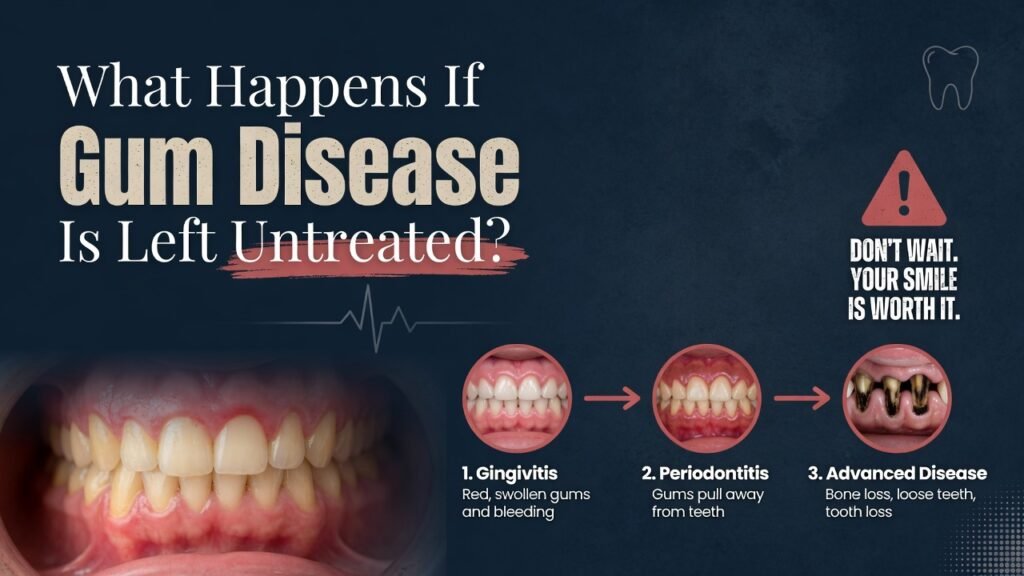
Ignoring gum disease allows bacteria to continue damaging the gums and supporting tissues.
Possible complications include:
- Gum recession
- Persistent bad breath
- Bone loss
- Loose teeth
- Tooth loss
- Difficulty chewing
- Increased risk of dental abscesses
Early treatment offers the best chance of protecting your teeth and preventing long-term damage.
Insights
Healthy gums are essential for maintaining strong teeth and overall oral health. While many people search for ways to cure gum disease without a dentist, it is important to understand that the success of home treatment depends on the stage of the condition.
If you have early gingivitis, improving your daily oral hygiene routine can often reverse the inflammation. Brushing twice a day, flossing daily, using an antibacterial mouthwash, eating a nutritious diet, and avoiding tobacco products can significantly improve gum health over time.
Natural remedies such as warm salt water rinses, aloe vera, green tea, and oil pulling may provide additional support, but they should never replace proper brushing and flossing. These remedies work best as part of a complete oral care routine rather than as standalone treatments.
However, home care has its limits. Symptoms such as loose teeth, severe swelling, pus, gum recession, or persistent pain may indicate advanced periodontal disease that requires professional treatment. Seeking timely care can prevent permanent damage and improve long-term oral health.
The key to healthy gums is consistency. Small daily habits performed correctly are far more effective than occasional intensive treatments. By following a structured oral hygiene routine and recognizing the warning signs early, you can protect your gums, reduce inflammation, and lower the risk of future gum disease.
Key Takeaways
- Early-stage gingivitis can often be reversed with consistent home care.
- Brush twice daily using a soft-bristled toothbrush.
- Floss every day to remove plaque between teeth.
- Antibacterial mouthwash can help reduce harmful bacteria.
- A balanced diet rich in vitamins supports healthy gums.
- Warm salt water rinses may soothe mild inflammation.
- Natural remedies should complement—not replace—proper oral hygiene.
- Smoking significantly increases the risk of gum disease.
- Persistent bleeding, loose teeth, or gum recession require professional evaluation.
- Daily prevention is the most effective way to maintain long-term gum health.




great